Saving for a Future
MoneyWi$e works to improve student financial literacy
A Berea education is all about giving students what they need to succeed. That means that on top of their chosen career path, they also need to learn how to make smart choices with money. And because Berea’s students come from underserved backgrounds, they’re often less likely to get that chance before coming to college—research shows that over 50 percent of Americans, and an even higher percentage of low-income Americans, are not financially proficient.
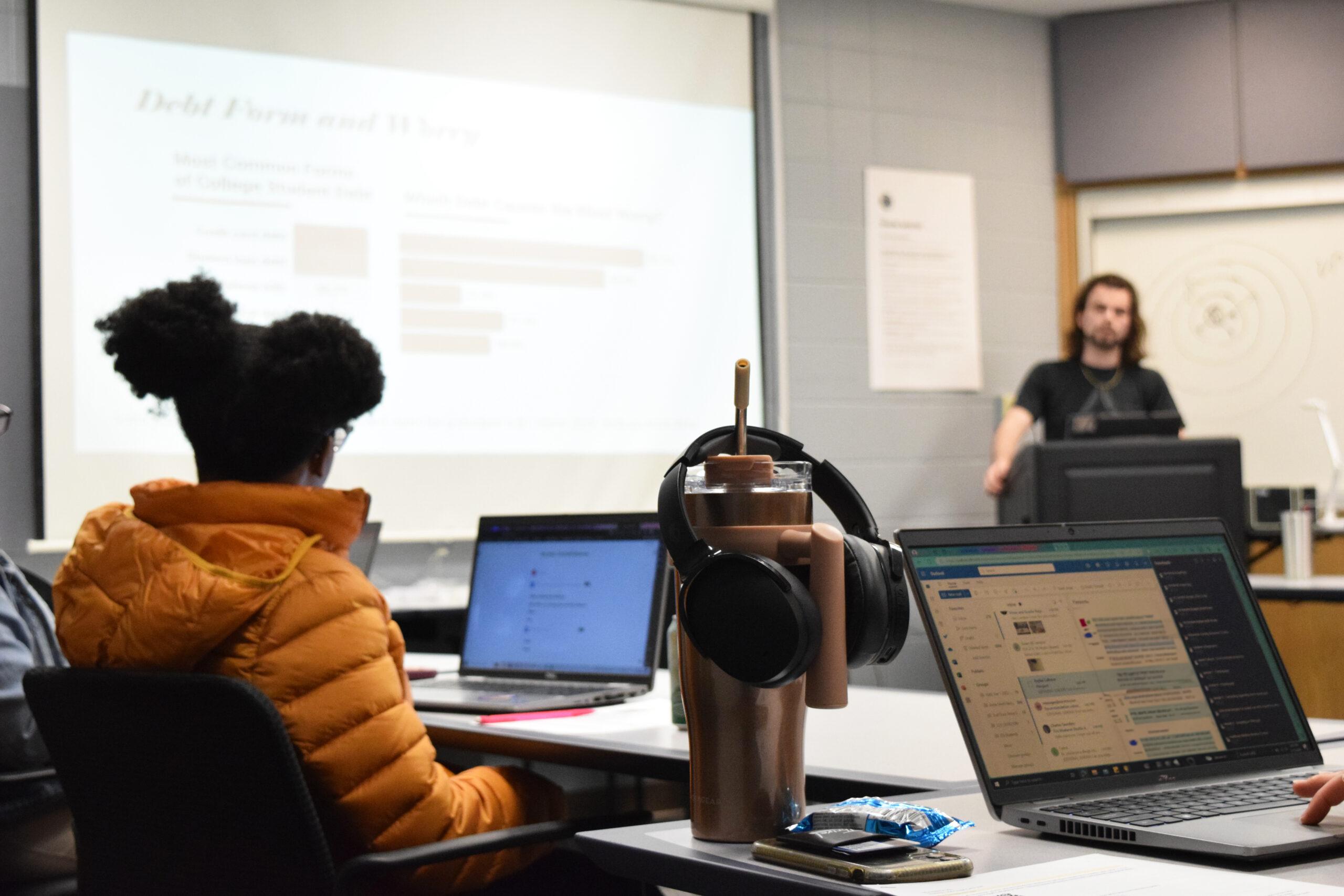
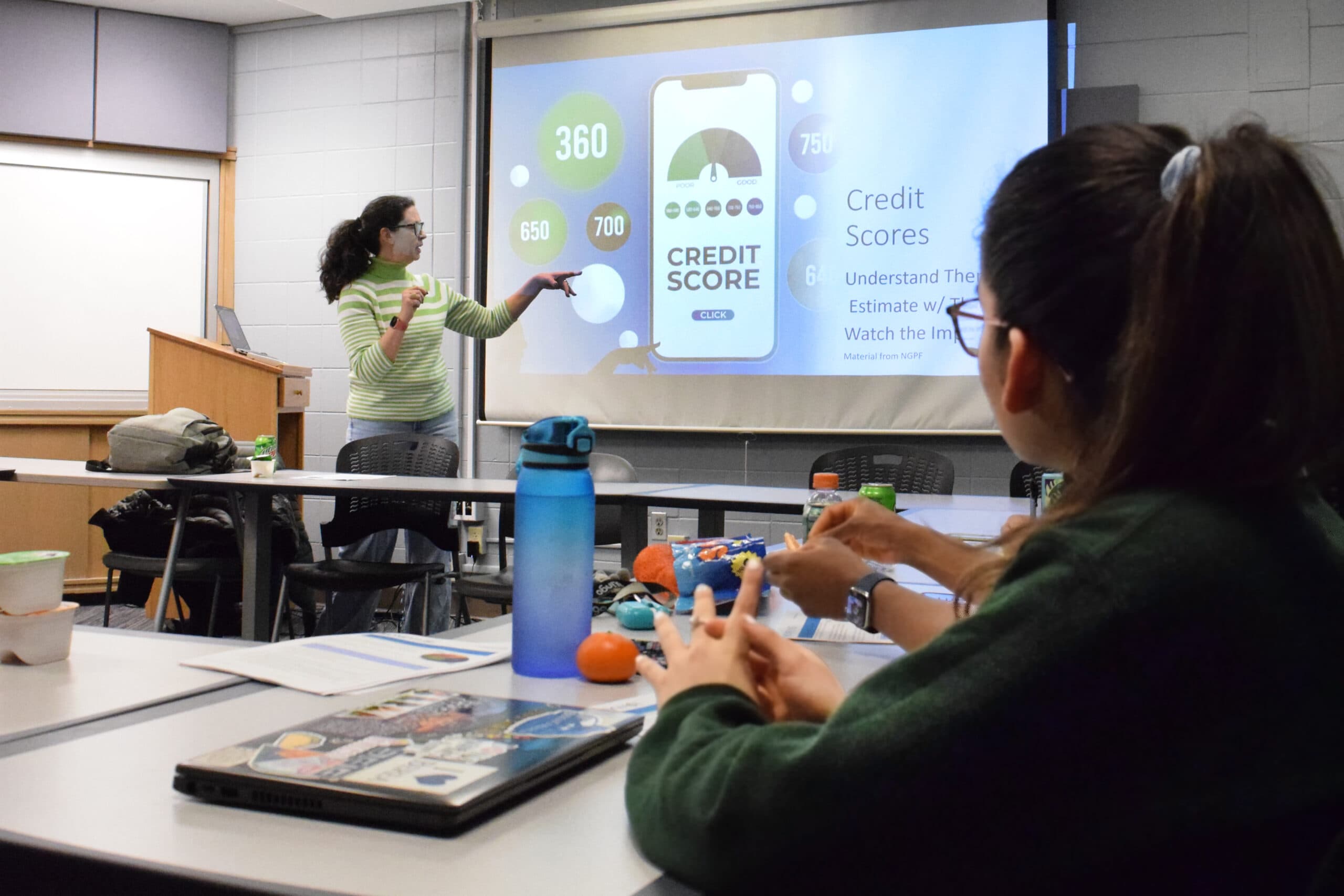
To help get our students to financial wellness and proficiency, Dr. Nancy Sowers, the chair of Berea’s Department of Economics and Business, teamed up with Dr. Collis Robinson, Berea’s Dean of Labor. Their efforts created MoneyWi$e, Berea’s own institution-specific financial wellness program. “Our MoneyWi$e program breaks concepts into six major areas,” explained Dr. Sowers. “We focus on work, saving, spending, borrowing, investing, and retiring.” Within those six main topics, MoneyWi$e teaches students about all the different financial decisions they might need to make, and how to choose the best option for their situation. Students learn how to understand a paycheck, tax deductions, and other aspects of earning a living. They learn about bank accounts and how to save money. MoneyWi$e also teaches them important budgeting strategies, including how to borrow responsibly for large purchases like a car or a house. Finally, students learn about how to invest their money and make it grow so that they can plan for retirement.
A firm grounding in how to make good financial choices is key to helping students succeed. But many of them are intimidated by financial decisions. There are so many complicated factors and such serious consequences for making the wrong choice. As director of the MoneyWi$e Initiative, Dr. Sowers has seen it firsthand: “We know our students are very, very smart. But what happens is that many students end up feeling less confident about making financial decisions when you give them a little education about it, because they see how complicated it is,” she explained. “Going through the MoneyWi$e program is designed to help you develop your confidence over time so that when you graduate you don’t feel that lack of confidence anymore. My greatest hope is that students will have the tools they need to make the right financial decisions for their lives.”
What MoneyWi$e emphasizes most is how small and informed choices now can bring big benefits later, which helps build financial confidence. “Students in MoneyWi$e hear the repeated message that small choices now can improve their lives moving forward,” said Dan Rohrer, the Financial Wellness Coordinator who helps Dr. Sowers oversee the program. “They can build the life they deserve through little decisions that have a big impact. Building students’ confidence in making financial decisions is the message we want to instill.”
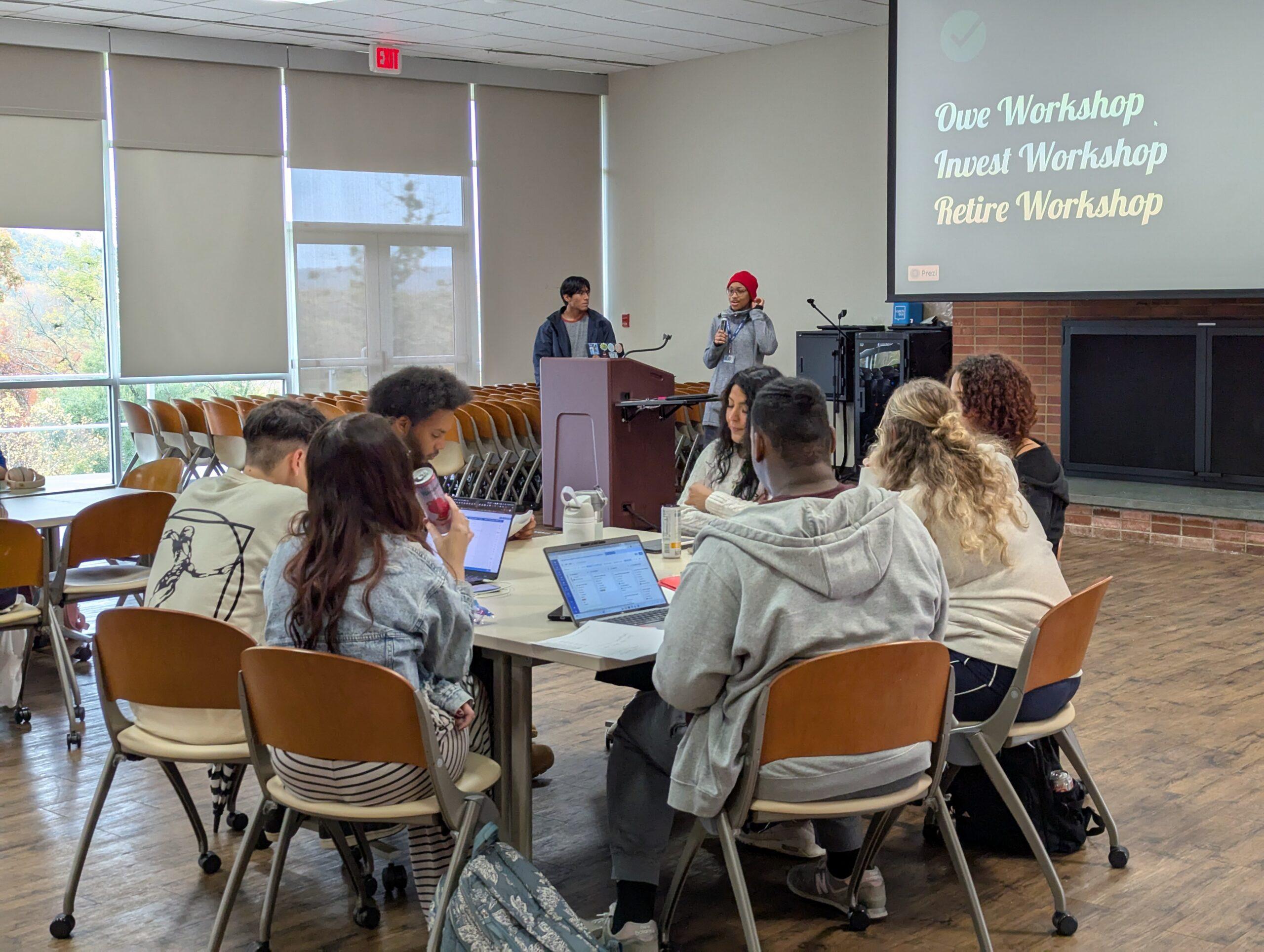
A crucial part of what makes MoneyWi$e work are its peer mentors, students who help their fellow students learn about financial wellness. They each earn a special certification to serve as a peer mentor for their labor position, assisting with workshops and helping other students understand financial concepts. “People learn the most from people their own age when it comes to financial capability education,” said Dr. Sowers. “It’s much better for me to put a 20-year-old, who looks like the students themselves and who has had the same experiences as them, in front of them to discuss some of these issues; they’re more open to hearing that.”
A lot of peer mentors are inspired by their own experiences as a student in MoneyWi$e. “I first came to MoneyWi$e as a student in the program,” said Ayden ’26. “Last semester, I was encouraged by Dr. Sowers, Dan Rohrer, and one of my peer mentors to apply.” Ayden loves getting the chance to help others develop their financial skills, just like he did as a student in the program. “The most meaningful experience I’ve had as a peer mentor so far is presenting my first workshop on personal finance. It was exciting to see someone want to learn about what I was talking about,” he said. “It excites me to see others learn more and grow their financial wellness”
Carlos ’27, on the other hand, got lucky—from elementary school onward, he was fortunate enough to get a strong early education in financial wellness. “I applied for the MoneyWi$e program because of how much fun I had in elementary school playing games and learning about personal finances,” he recalled. “The teachers made it so interactive, and it helped me make better financial decisions for myself. I want to be able to do that for other students.” Now, as a MoneyWi$e peer mentor, he’s helping his fellow students develop those same skills that have already made such a difference for him. “It means a lot to me to be able to help others the way I was helped as a student. It’s also something I’m passionate about, so it makes it just as fun for me to learn and teach others as it is for them to learn,” said Carlos.
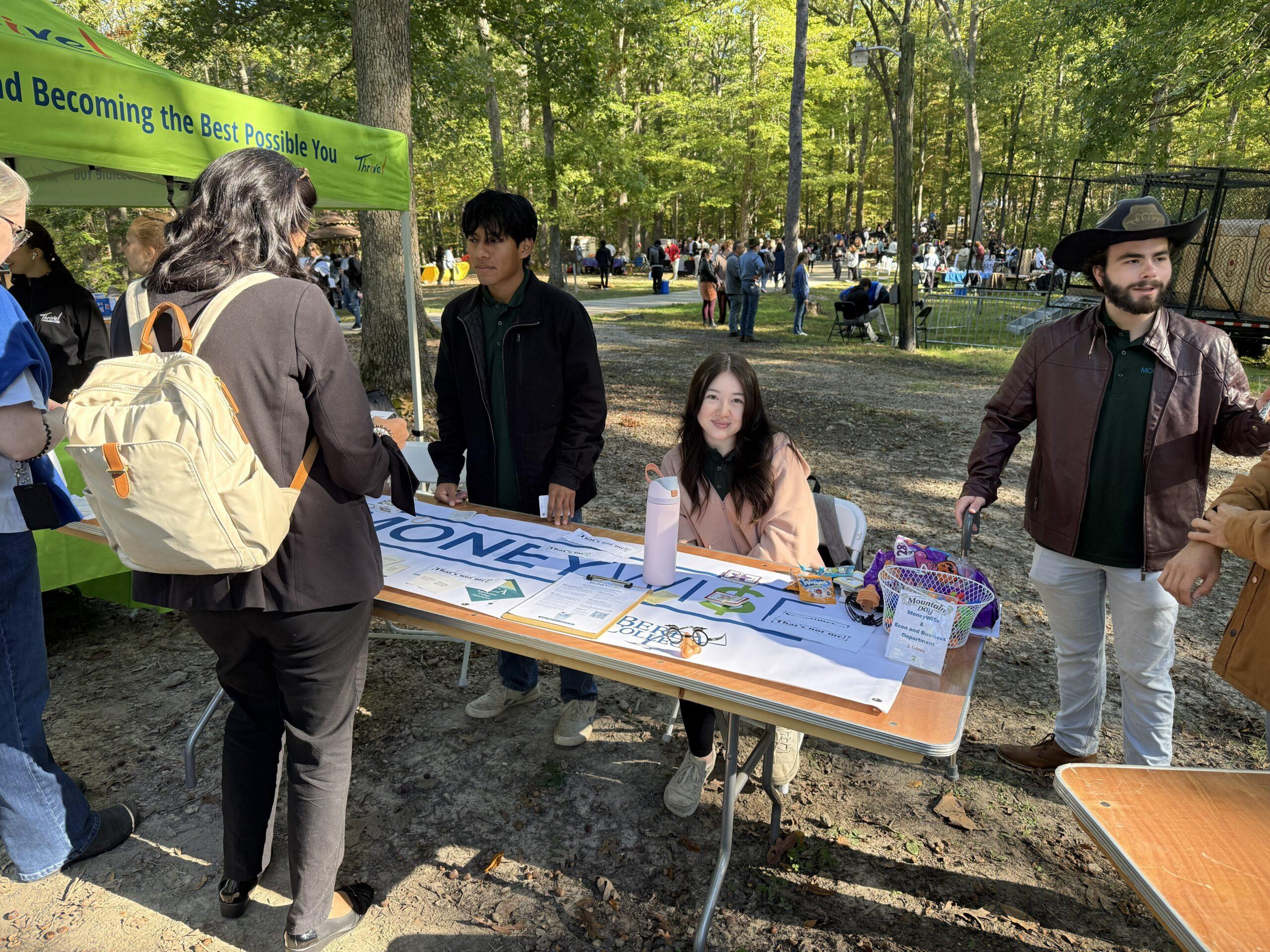
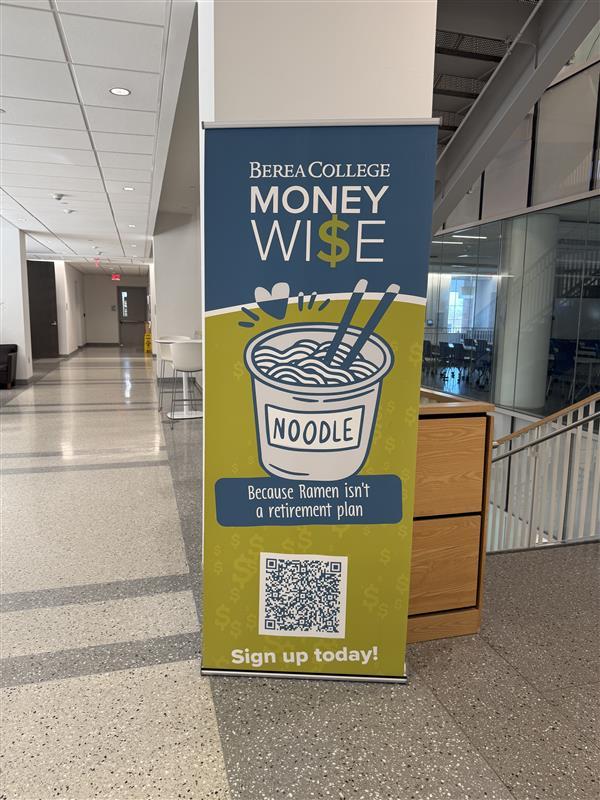
Starting in the 2025-26 academic year, MoneyWi$e has entered an exciting new phase. Up until this year, MoneyWi$e was a special program with limited seats, and students had to sign up on a first-come, first-served basis. But now, in partnership with the Labor program, MoneyWi$e is available for every single first-year student through a new initiative called the First-Year Summit (FYS). Through FYS, first-year students will spend two hours each week on special professional development programs, including MoneyWi$e.
MoneyWi$e is the sort of program that only works if the students are interested—you can’t force people to make good financial decisions. But the approach that Dr. Sowers and her colleagues have taken is working, with participation up 34 percent over last year. “I’d love to see 70 percent of the students embracing the MoneyWi$e program and walking across the graduation stage with a garishly green cord around their necks with a little gold dollar-sign bling hanging off it,” mused Dr. Sowers, describing the MoneyWi$e regalia cord that students who complete the program will wear when they graduate. “The more green and gold I can see walking across that stage, the more I’ll feel like we’ve accomplished our goals with MoneyWi$e.”
Learning how to handle money responsibly is a truly foundational life skill, and one that many people don’t ever fully master. It doesn’t matter how smart or how talented you are—mistakes with money can challenge even the most hard-won success. Though many of Berea’s students may not have had the chance to learn about financial wellness before coming here, the College is helping them develop this vital expertise. By building these skills in its students, Berea is making a crucial investment in their future.